
 0191 500 1154


Since humans walked the earth, we have harnessed the sun’s power in one form or another.
Ancient civilisations built their homes and cities predominantely facing south in order to have the most energy efficient sun exposure. The Egyptians lined pools of water in black tiles, collecting solar energy throughout the day, so that the heated water could be used to warm up palaces at night through pipes and systems. Even though the technology to turn solar into electrical energy didn’t exist, the understanding and the architecture did.
Although the ideas existing beforehand, commercial solar power as we know it didn’t become popular until around 2008 – when solar became much more affordable to a wider market.
What Is Solar Power?
Essentially, solar power is the use of the sun’s energy, converted into either thermal or electrical energy.
In order to generate thermal energy from the sun, we can use either solar heating and cooling (SHC) or concentrating solar power (CSP) systems. With SHC systems, the thermal energy generated is used to heat space or water and with CSP systems, the heat is used to run more traditional power plants where electricity is generated.
However when we think of solar power, we mostly think of solar panels.
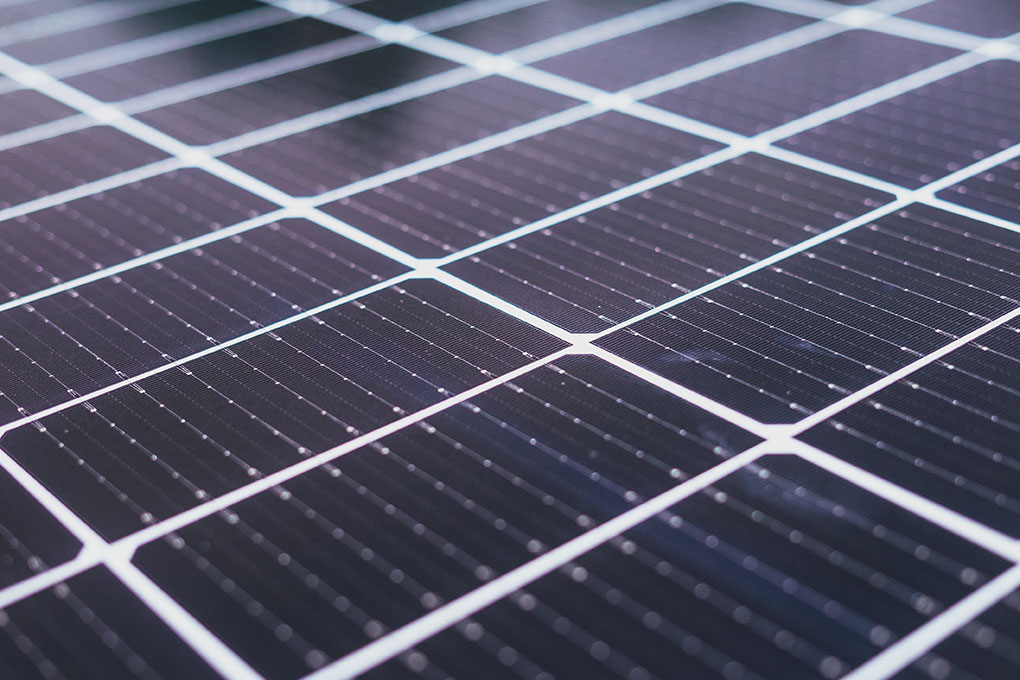
Solar panels absorb the energy from sunlight through PV (photovoltaic) cells in the panels. Once absorbed, the sunlight energises the PV cell and causes the electrons to move – creating an electrical current.
Now that a current exists, this can be converted from DC (direct current) to AC (alternating current) using an invertor.
Once you have an AC current – you can use this electrical energy to power your homes!
What Are The Pros and Cons Of Going Solar?
Solar power is not only the most abundant source of renewable energy, but it’s also the cleanest.
This by far is the biggest pro of opting for solar panels. However, the benefits don’t stop there.
Other benefits include:
- Reducing your electricity bill
- And therefore giving you long term savings
- Giving you energy independence
- They’re low maintenance
- The technology is continuously improving – meaning the prices are continuously decreasing!
In terms of cons – there aren’t too many, however they’re definitely worth taking into account when taking the plunge into solar.
A good place to start is by asking yourself these questions:
- Is your roof south facing?
- Do you live in an area where you get a lot of sunlight?
- Are you looking to relocate anytime soon?
If your answer is yes, yes and no – then it might be an option for you!
What’s The Difference Between On-Grid and Off-Grid?
When opting for a solar energy system such as solar panels – you may get the option to go either on-grid or off-grid.
An on-grid system is where you’re connected to a utility grid (you may have heard the term grid-tied). With an off-grid system – you’re not connected to a utility grid at all.
There are a few main differences when it comes to being on-grid or off-grid, such as:
- How you access your electricity
- With an on-grid system, you have access to electricity at all times (unless of course the grid goes down). Even if you’re not producing any electricity through your solar system, you won’t be without.
- With an off-grid system, you will only get electricity when either the sun is out and you are currently producing electricity, or when you’re pulling electricity that you’ve previously produced through a storage device such as batteries.
- What happens to any excess electricity you produce
- With an on-grid system, if you are producing any excess electricity, this can be sent back to the grid where you can claim compensation for this.
- With an off-grid system, the extra energy is sent to the batteries for storage. This stored energy then can be used on times when you need it the most, such as at night or on a cloudy day.
- What happens if the electricty grid happens to go down
- With an on-grid system, if the electricity goes down, unless you have batteries in your system, unfortunately your electricity also goes down.
- With an off-grid system, as you’re completely independent from the grid – nothing!
- How you pay for electricity
- With an on-grid system, as you’re on the gridx, you’ll still be pulling electrcitiy from this (for example at night) and so will still receive and need to pay your electricity bill.
- With an off-grid system, as you’re completely independent from the grid – you won’t receive any form of bill from the electricity companies.
In Conclusion
Solar power is an exciting way to not only help the planet, but to also help your wallet!
Start your solar journey today and give us a call on 0191 500 1154 or drop us a line at info@northeastsolar.co.uk to find out more and see how we can help!