
 0191 500 1154


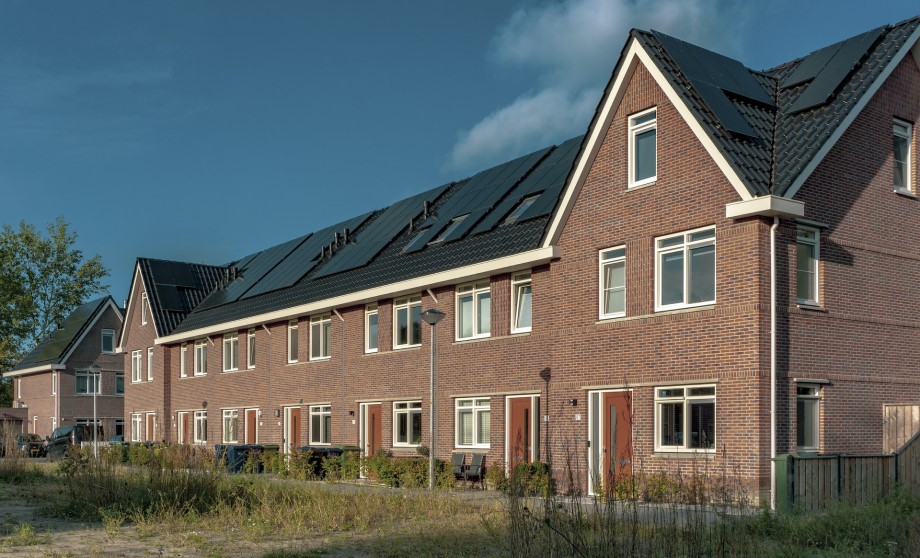
Solar panels, including those designed for homes and businesses, are essential to most modern renewable energy systems. They convert sunlight into electricity, which can power various devices, from small lamps to large appliances. However, not all solar panels are created equal.
Read on to learn more about the three most popular solar panels in the North East.
Polycrystalline solar panels
Polycrystalline solar panels are made by pouring melted silicon into square moulds, then cooled and cut into small squares or rectangles, and assembled into a larger panel. One of the advantages of polycrystalline panels is that they’re relatively easy and heap to manufacture, meaning they’re usually more affordable to the average household. However, polycrystalline solar panels also have some drawbacks. They’re less efficient than monocrystalline panels, converting less sunlight into usable electricity. However, this is fine with the average energy consumption in the UK (2900kWh/12).
In addition, their blue, speckled appearance is often considered less appealing than the uniform lack of appearance of monocrystalline panels. Despite that, these solar panels are the most popular with our customers; we have had no complaints about their efficiency and appearance.
Touch wood!
Pros of Polycrystalline solar panels
- Cheaper than Monocrystalline solar panels
- Avoid silicone wastage, making them more environmentally friendly to make
- Extremely popular in the UK
Monocrystalline solar panels
Monocrystalline solar panels are made using a different process. They’re assembled by cutting thin wafers from a single, pure silicon crystal, then sliced into small, square or rectangular shapes.
There tends to be a lot of waste silicone due to the shape of the parts within the solar panel. This process is more complex than the one used in polycrystalline panel manufacture, which drives up the cost of production. If you have a small roof, monocrystalline solar panels are the best option as they can produce more energy due to their 15-20% efficiency rate. This means you will get all
the power you need, even with a small space. They tend to perform better in low levels of sunlight, making them ideal for cloudy or dim areas.
Pros of Monocrystalline solar panels:
- 15-20% of efficiency (this is very good!)
- Works well in low-light areas
- You don’t need a lot of roof space to have these installed due to the high efficiency of the panels
- Appealing black exterior
- Better heat resistance than Polycrystalline
Thin-film solar panels
The production of thin-film solar panels is more straightforward than other types as they demand lesser materials, resulting in the most cost-effective solar panels available in the market. They can be fabricated in flexible forms by layering one or more photovoltaic materials onto a substrate, including silicon, cadmium, and copper. However, thin-film panels are the least efficient and demand more space. Their compatibility with hot temperatures makes them optimum for hotter regions.
However, thin-film panels have made significant improvements in efficiency in recent years. Some thin-film panels are now as efficient as monocrystalline panels, and they still remain the cheapest!
Pros of Thin-film solar panels:
- The flexibility of the panel makes them great for motorhomes or caravans
- Thin-film panels are well-suited for hotter climates (this doesn’t mean Polycrystalline or
Monocrystalline panels are bad in hotter climates, Thin Film panels are less likely to be
damaged by the heat long term. All panels are suitable for the North East weather!) - They are the most affordable type of the solar panel in the market
Conclusion and some pointers to consider
So, which type of panel is better? It’s hard to say, depending on your needs and circumstances. Ultimately, it’s a good idea to research and speak to experts like the North East Solar Panels team, with unrivalled experience in solar panels, to determine which panel type is right for you. By finding the right product, you can ensure that your solar energy system is as efficient and effective as possible and that you get the most bang for your buck in the long run. Below are some factors you might want to consider which should make your decision easier:
- Consider your budget. Solar panels can range in price from a few thousand pounds to tens of thousands. It is essential to choose a type of panel that fits your budget.
- Consider your energy needs. If you have a large home or business, you need more solar panels than a small home or apartment.
- Consider your aesthetic preferences. Solar panels come in a variety of colours and styles.
Choose a type of panel that you like the look of workmanship to give you that extra peace of mind.
Remember, our 25-year guarantee covers all solar panels, and a 10-year warranty covers our workmanship to give you that extra peace of mind.
Start your solar journey today and call us at 0191 500 1154 or drop us a line at info@northeastsolar.co.uk to learn more and see how we can help!