
 0191 500 1154


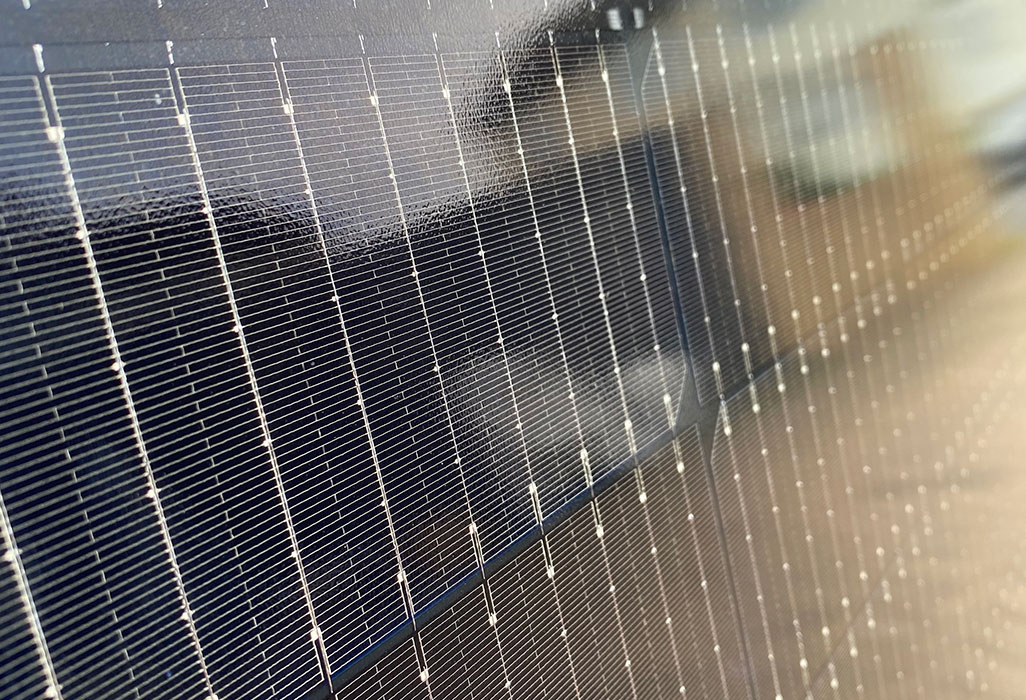
In recent years, there has been a remarkable shift in the perception of solar panels. Once considered bulky and unattractive, solar panels are now being embraced as an aesthetically pleasing addition to modern architecture. This shift has been possible due to advancements in solar technology and a growing emphasis on integrating renewable energy sources into our daily lives. Among the latest trends in solar panel aesthetics, the concept of black solar panels has gained significant attention. In this blog post, we will explore the rising popularity of black solar panels and how they are revolutionising how we think about renewable energy.
Despite the many benefits of installing solar panels. There is one reason people might not want to install them, and this comes down to aesthetics. When you hear solar panels, your mind goes straight to this design.
Individuals or even some councils feel like this design does not blend in with the aesthetics of the house or even the neighbourhood. This is where sleeker-looking black solar panels come in to change the aesthetics game and also come with some additional benefits than the blue ones.
Black solar panels have quickly gained popularity due to their ability to blend seamlessly with various architectural styles. By adopting a sleek and minimalist appearance, black solar panels can effortlessly integrate into both traditional and modern buildings. Their dark colour allows them to merge with dark-coloured roofs or even become an integral part of the building facade.
Moreover, black solar panels are often considered a more elegant alternative to their traditional blue counterparts. Their understated design enables homeowners and businesses to showcase their commitment to sustainable living without compromising on visual appeal. This shift towards black solar panels is part of a larger movement to make renewable energy a natural and integrated part of our everyday lives.
Does the colour affect the efficiency of the solar panels?
In hindsight, yes, it does. Due to the monocrystalline and polycrystalline content, different colour affects the performance of the panels.
Monocrystalline Panels, which are the black solar panels, are made with monocrystalline. These panels produce more electricity than the blue ones (Polycrystalline panels) as the silicon ingots incorporated in them are of higher purity. However, black solar panels might be more expensive than blue ones, but with a little bit of research to find the right manufacturer and applying for government green energy schemes, black panels shouldn’t cost you more.
Black solar panels options
There are a few options when it comes to choosing more aesthetically pleasing solar panels. “In roof” solar panels are black panels integrated into the roof to create a more seamless look best installed on dark-coloured roofs. The panels act as a roof covering tile AND generate solar energy. Although aesthetically pleasing, there is a slight disadvantage, the black panels are not easy to ventilate and are 5-10% less productive compared to “on-roof” panels because they function at greater temperatures.
Additionally, black solar panels are not limited to traditional roof installations. They can be used in a variety of applications, such as solar pergolas, carports, and solar façades. This versatility allows for greater creativity and flexibility when it comes to incorporating solar power into the built environment.
Solar Tiles
A more integrated method would be to install solar tiles. Solar tiles are small solar panels designed to look like normal tiles. During the installation process, alongside the solar tiles, dummy tiles are also installed in shaded areas or north-facing areas where there is limited sun exposure. Please note that solar tiles cost 5 times more than any other solar panel because of the rise in labour and demand of products.
Black solar panels are here to stay.
Furthermore, the increased adoption of black solar panels helps to normalise and promote the use of solar energy. By making solar panels visually appealing and seamlessly integrating them into our surroundings, we encourage more people to consider renewable energy as a viable and attractive option.
As we strive to create a more sustainable future, aesthetics plays a significant role in the acceptance and adoption of renewable energy technologies. Black solar panels exemplify this by combining functionality with visual appeal, revolutionising how we perceive solar power. Their ability to blend seamlessly with different architectural styles, along with their versatility in design, opens up new possibilities for solar integration.
By embracing aesthetically pleasing solar panels, we not only enhance the visual appeal of our buildings but also contribute to the wider goal of transitioning to a cleaner energy future.