
 0191 500 1154


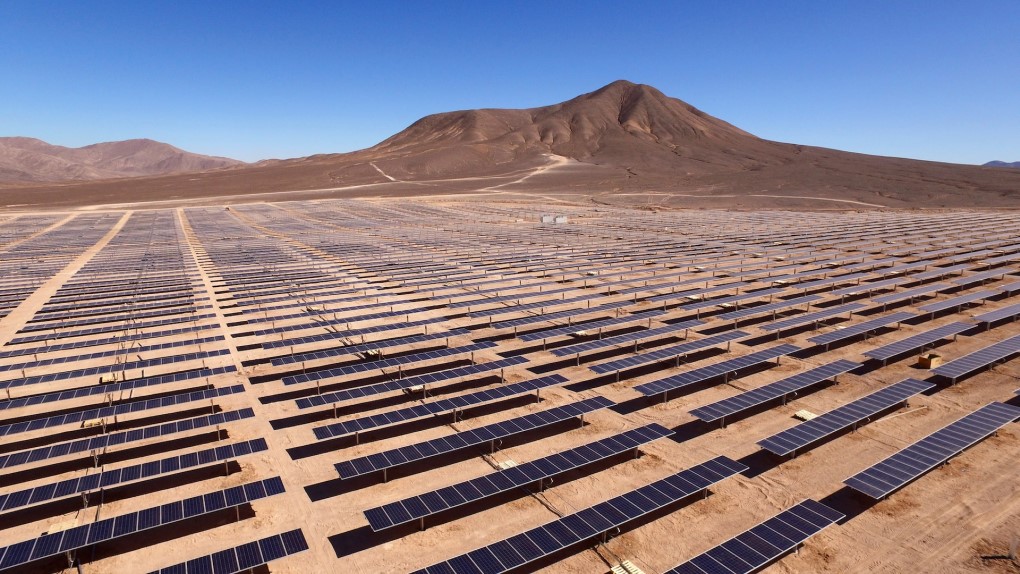
The global energy landscape has witnessed a remarkable shift towards sustainability and renewable energy sources in recent years. Solar energy, in particular, has emerged as a frontrunner in this transition, with the United Kingdom taking significant strides towards harnessing the sun’s power. In this blog post, we will delve into the future of solar energy, exploring emerging trends and predictions within the UK’s solar industry.
1. The Growth of Solar Energy in the UK
In the UK, solar energy has experienced significant growth over the past decade. According to a report by Solar Energy, the country’s solar capacity has soared to over 13 GW, providing electricity to millions of homes and businesses. This growth is expected to continue as the UK aims to achieve its ambitious net-zero emissions target by 2050.
2. Solar Energy as a Key Player in Decentralised Energy
One emerging trend in the solar energy industry is the shift towards decentralised energy production. A study by the UK’s National Grid Electricity System Operator (ESO) suggests that by 2050, a significant portion of the UK’s electricity will come from small-scale renewable energy sources like solar panels installed on homes and businesses. This trend reduces reliance on centralised power generation and enhances energy resilience. This means that with solar panels, you are less reliant on the grid since you are now producing your own clean energy.
3. Advances in Solar Panel Technologies
The future of solar energy is closely tied to advancements in solar panel technologies. Oxford Pv, the perovskite company, are actively working on developing next-generation perovskite solar cells that promise higher efficiency and lower costs. These innovations could make solar panels even more accessible to a wider range of consumers. Read more on perovskite solar cells here.
4. Solar Energy Storage Solutions
Energy storage is a critical component of the solar energy equation. The UK government’s commitment to funding energy storage research and projects, as reported by the Department for Business, Energy & Industrial Strategy (BEIS), demonstrates the growing importance of storing excess solar energy for use during cloudy days or nighttime. Battery technology, in particular, is advancing rapidly and is key to maximising solar power’s benefits.
5. The Role of Solar in Electrification
Electrification of various sectors, such as transportation and heating, is another pivotal trend. The Committee on Climate Change (CCC) in the UK envisions an increased role for electricity in these sectors to reduce greenhouse gas emissions. As a clean and renewable source, solar energy will play a significant role in providing the necessary electricity for this transition.
6. Solar Energy in Urban Planning
Urban planning is evolving to incorporate solar energy in innovative ways. Local councils and city planners are increasingly encouraging the integration of solar panels into building designs. This trend is supported by the UK Green Building Council, which promotes sustainable building practices and uses renewable energy sources like solar.
7. Solar Energy as a Source of Green Jobs
The growth of the solar industry is also expected to contribute to job creation. A UK Renewable Energy Association (REA) study estimates that the renewable energy sector, including solar, could generate thousands of new jobs in the coming years, further bolstering the economy.
Conclusion
The future of solar energy in the United Kingdom is undeniably promising. With continuous advancements in technology, increasing capacity, and a solid commitment to sustainability, solar power is set to play a central role in the UK’s transition to a greener and more sustainable energy future. As we’ve explored, these trends and predictions are not just wishful thinking but are substantiated by real UK-based sources and research. By harnessing the sun’s power, the UK is poised to embrace a brighter, cleaner, and more sustainable energy future for future generations.
Are you considering installing solar panels on your home or business? Contact us today at 0191 500 1154 for more information, or get your FREE quote here.