
 0191 500 1154


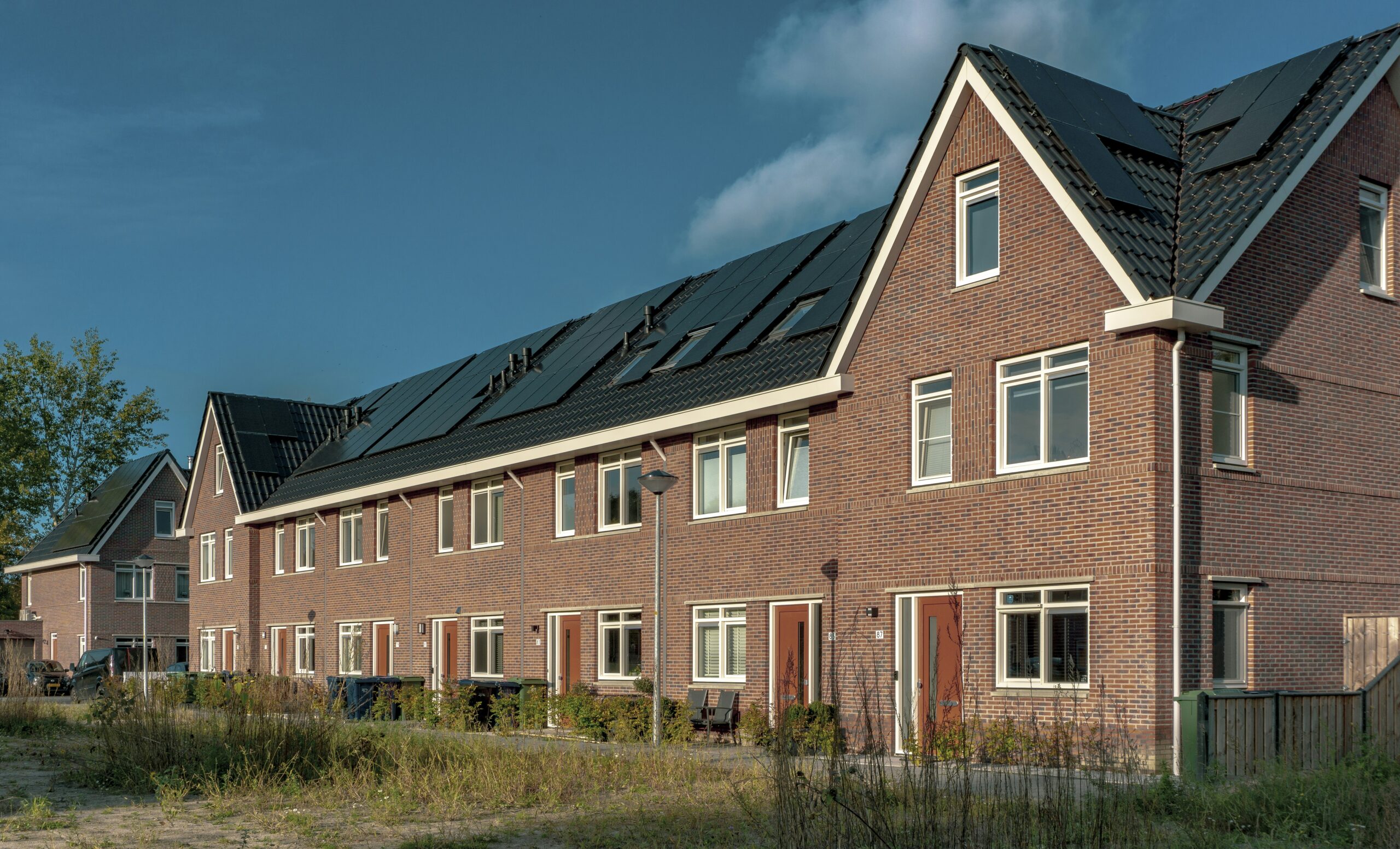
The intersection of solar energy and home automation has begun to redefine what it means to live sustainably. The integration of these technologies is not only making homes more energy-efficient but also empowering homeowners with greater control over their energy consumption and costs.
This transformation is part of a bigger movement towards smart, sustainable living, where the combination of renewable energy and intelligent systems promises to reduce our carbon footprint while enhancing comfort and convenience.
Solar energy, once viewed as a niche or alternative power source, has become more mainstream. Technological advancements have driven down the cost of solar panels, making them more accessible to a wider range of homeowners.
At the same time, improvements in efficiency mean that solar panels can generate more electricity from the same amount of sunlight, making them an attractive option for those looking to reduce their dependence on fossil fuels and lower their energy bills. But solar panels alone are only part of the equation when it comes to creating a truly energy-efficient home.
Home automation, on the other hand, represents a revolution in how we interact with and manage our living spaces. By integrating various systems, such as lighting, heating, cooling, security, and appliances into a single, cohesive network, homeowners can control these elements remotely or through pre-programmed settings.
The synergy between solar energy and home automation lies in their ability to work together to optimise energy use, ensuring that a home not only consumes less power but also makes the most of the renewable energy it generates.
One of the most significant advantages of combining solar energy with home automation is the ability to maximise energy efficiency. Solar panels produce electricity during the day when the sun is shining, often generating more power than a home can use at any given moment. Without a way to store or manage this excess energy, it is either fed back into the grid or wasted. However, when integrated with a smart home system, excess solar power can be directed to where it is needed most or stored for later use.
For instance, a smart home system can be programmed to run energy-intensive appliances, such as washing machines, dishwashers, or electric vehicle chargers, during peak solar production hours. This makes sure that the energy generated by the solar panels is used efficiently within the home, reducing the need to draw power from the grid.
Additionally, by monitoring real-time energy production and consumption, the system can make automatic adjustments to minimise waste. For example, if the solar panels are producing more electricity than needed, the system could divert this excess energy to charge a home battery or power other systems like heating or cooling, thereby optimising the use of available resources. Home automation also enhances the effectiveness of energy storage solutions, which is crucial for making the most of solar energy. Batteries allow homeowners to store excess solar power generated during the day for use at night or during cloudy periods.
A smart home system can manage the charging and discharging of these batteries, ensuring that stored energy is used in the most efficient way possible. For example, during periods of low solar production, the system can prioritise the use of stored energy for essential functions or time-shift energy usage to when electricity rates are lower, further reducing costs.
Another significant benefit of integrating solar energy with home automation is the ability to manage and reduce peak energy demand. Utilities often charge higher rates during peak hours, when demand for electricity is at its highest.
By using smart thermostats, lighting controls, and other systems, homeowners can reduce their energy consumption during these periods, lowering their overall energy costs. For example, a smart thermostat can adjust the temperature in a home based on real-time data, reducing heating or cooling when it is not needed and ramping it up when solar energy production is high.
Similarly, smart lighting systems can dim or turn off lights in rooms that are not in use, further conserving energy.
Beyond efficiency, the combination of solar energy and home automation offers significant environmental benefits. By reducing reliance on the grid and fossil fuels, homeowners can significantly lower their carbon footprint.
This is particularly important as we face the growing challenges of climate change. A smart, solar-powered home not only consumes less energy but also contributes to the overall reduction in greenhouse gas emissions, playing a large role in the transition to a more sustainable future.
Moreover, the ability to monitor and control energy use in real-time gives homeowners a deeper understanding of their consumption patterns. This awareness can lead to more informed decisions about how to manage energy use, encouraging more sustainable behaviours. For example, by seeing how much energy is being used at different times of the day, homeowners might choose to shift certain activities, like doing laundry or charging electric vehicles, to times when solar energy production is highest, thereby maximising the use of renewable energy.
Conclusion
In conclusion, the combination of solar energy and home automation represents a powerful tool in the quest for sustainable living. By optimising energy use, reducing costs, and lowering carbon emissions, this integration is paving the way for the homes of the future, smart, efficient, and environmentally friendly.