
 0191 500 1154


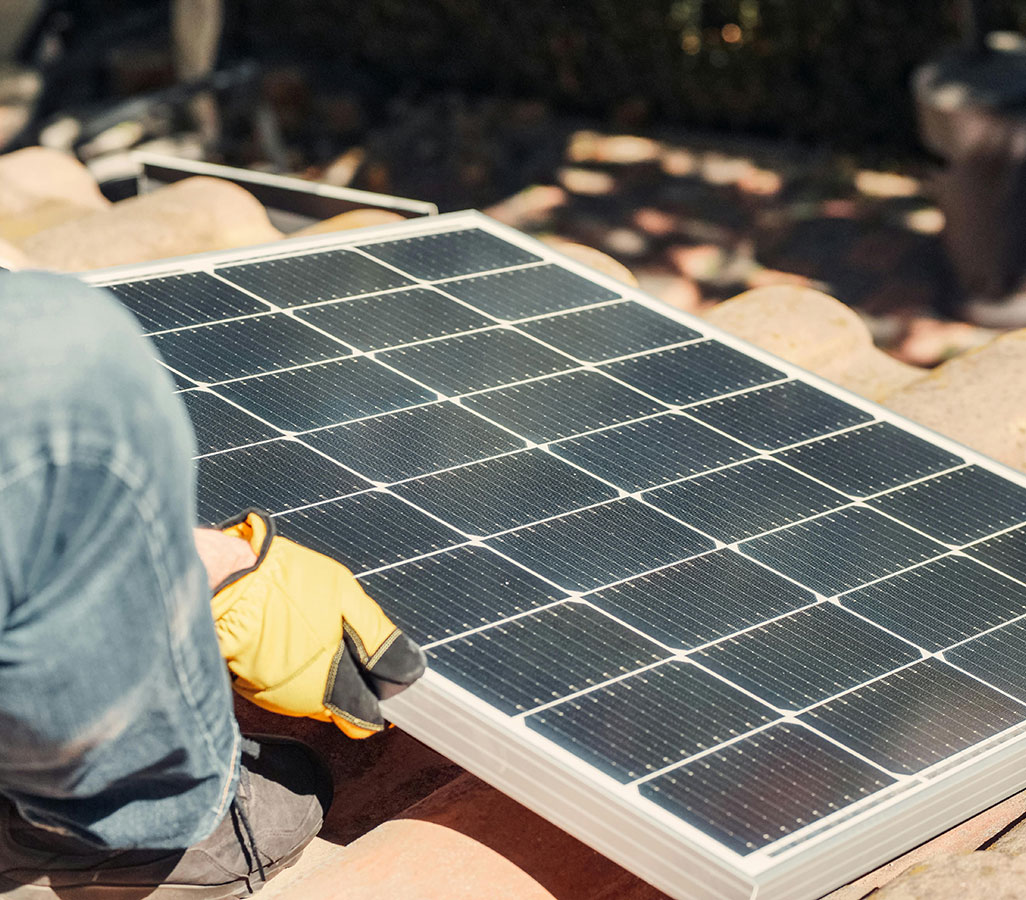
Solar panels are becoming an increasingly attractive option for homeowners seeking to not only lower their electricity bills, but to also reduce their overall environmental footprint. However, not every roof is equal, and this is especially the case when it comes to solar panel installations.
Before investing in your installation, it’s a good idea to take a look at and evaluate whether your roof can effectively accommodate solar panels in order to deliver the expected returns.
Structural Integrity and Age
As you can imagine, the foundation of any successful solar installation begins with a structurally sound roof. Solar panels typically add around 15 to 20 kilograms per square metre to your roof’s load, which most modern roofs can handle without difficulty. However, older roofs or those with existing structural issues may require reinforcement or repairs before the installation can proceed.
If your roof is approaching 15 to 20 years old, consider having it inspected by a qualified structural engineer before going ahead with your solar panel installation. Installing solar panels on a roof that will need replacement within the next decade is generally not cost-effective, as removing and reinstalling the panels adds significant expense to any roofing project. The ideal scenario involves installing solar panels on a relatively new roof that will remain serviceable for the 25 to 30-year lifespan of the solar panels.
Orientation and Positioning
The direction your roof faces also plays a crucial role in determining the overall efficiency of your solar panels. Being in the Northern Hemisphere, roofs that are south-facing receive the most direct sunlight throughout the day, making them the most ideal candidates for solar installations. This being said, East- and west-facing roofs can also work well, typically achieving 80 to 90 percent of the energy production of their south-facing counterparts.
In the UK, North-facing roofs present the most significant challenge, as they receive minimal direct sunlight throughout the day. While solar panels can still function on north-facing surfaces, in many cases, the reduced energy output may not necessarily justify the installation cost.
The specific angle of your roof also matters, with slopes between 30 and 45 degrees generally providing the best performance for most locations.
Shading Considerations
Believe it or not, even partial shading can have a significant impact on the performance of your solar panels. Trees, neighbouring buildings, chimneys, or other obstructions that cast shadows on your roof during peak sunlight hours can reduce the energy production substantially. Modern solar systems include optimisers and microinverters that help minimise the impact of shading, but prevention remains the best approach.
Conduct a shading analysis by observing your roof at various times of day and throughout different seasons. Trees that may seem insignificant during the winter months can create substantial shade when fully leafed out in summer. Consider whether any existing vegetation such as large hedges or trees can be trimmed or removed, and factor in the potential growth of nearby trees over the system’s lifetime.
Roof Material and Condition
Most common roofing materials can accommodate solar panels with relative ease, but some are more suitable than others. For example, asphalt shingles, metal roofing, and tile roofs typically work well with standard mounting systems. Slate roofs, however, require special consideration due to their fragility, and flat roofs may need ballasted mounting systems or additional structural support.
The condition of your roofing material is equally important. Damaged, loose, or deteriorating roofing materials should be repaired or replaced as soon as possible and before solar installation, as any leaks or moisture damage not only compromise the roof’s integrity but can also void warranties on both the roofing and solar systems.
Available Space and Layout
As you can imagine, solar panels require enough roof space. This means if you have a more complex roof layouts with multiple dormers, chimneys, or other features, this may limit the available installation area.
Calculate the usable roof area, accounting for the required clearances and any existing features. A general rule suggests that you need approximately 100 square feet of roof space for every kilowatt of solar capacity. However, this can vary based on panel efficiency and specific installation requirements.
Professional Assessment
While this preliminary evaluation can help determine basic suitability, a professional assessment remains essential in order to get the best out of your solar panel system. Here at North East Solar, we can provide a free quote and site survey without any upfront cost.
Whilst it’s true that the investment in solar panels represents a significant upfront financial commitment, it’s also true that the right roof can provide decades of clean energy and substantial savings when it comes to your solar panel installation. Taking the time to properly evaluate your roof’s suitability ensures that you make an informed decision, maximizing both environmental and financial benefits. Get in touch with us today for your free quote and site survey!