
 0191 500 1154


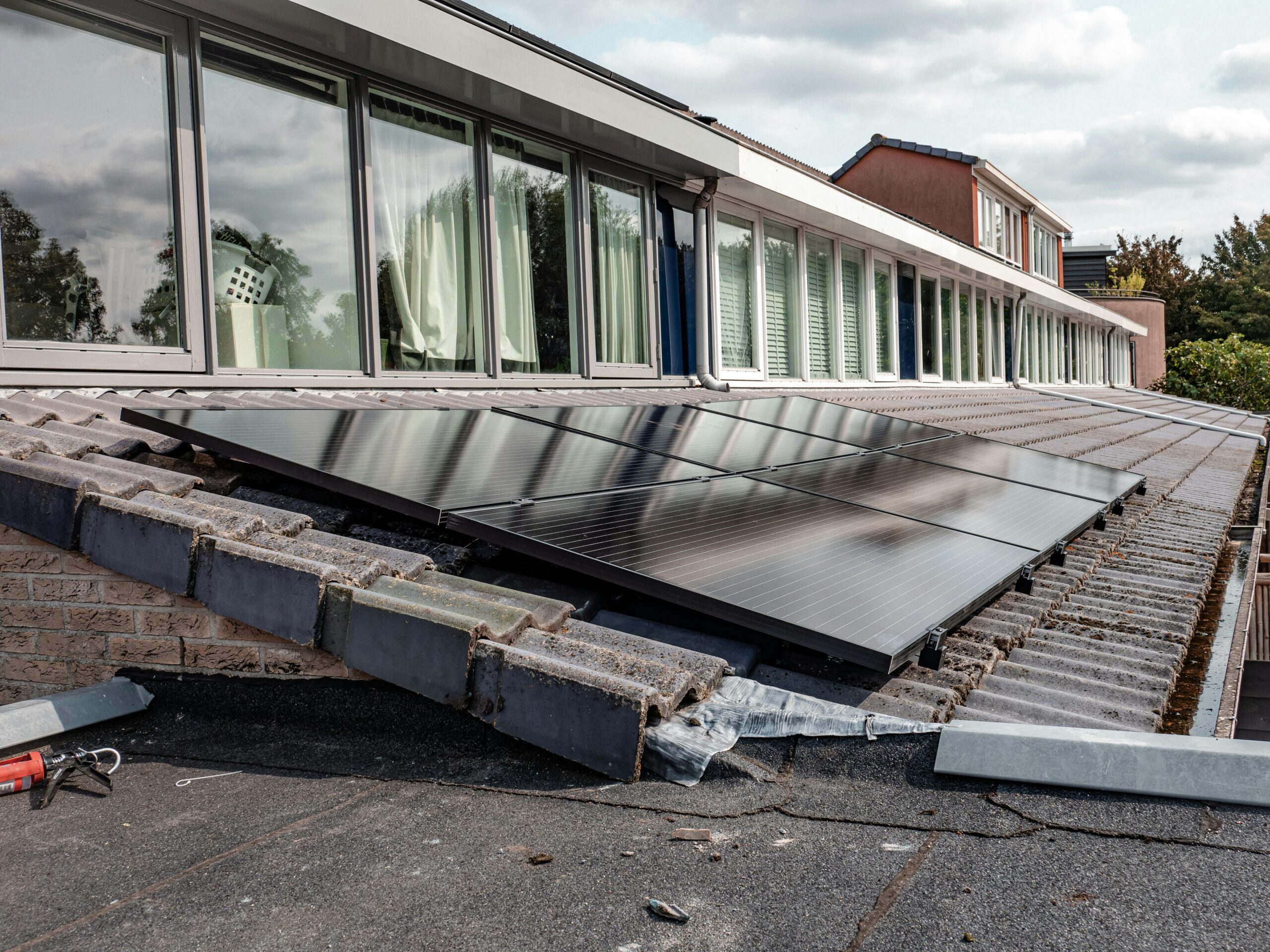
Warm Homes Plan: Solar Revolution Set to Transform UK Homes
The UK government has announced a major new investment aimed at cutting household energy bills and accelerating the transition to clean energy. Under the long-awaited Warm Homes Plan, £15 billion will be made available over the next five years to support the installation of solar panels and complementary clean energy technologies across the country.
The plan signals a clear shift towards home-grown energy generation, with ministers describing the policy as a “rooftop revolution” that could triple the number of homes with solar panels and lift around one million people out of fuel poverty.
What Is the Warm Homes Plan?
First proposed in 2024, the Warm Homes Plan has now been formally confirmed, setting out how funding will be delivered to households through a combination of grants and low-interest loans.
While the government’s package includes support for various technologies including heat pumps and home battery storage, the primary focus is on solar panels as the cornerstone of the transition. The aim is to reduce household reliance on imported energy, lower long-term energy bills, and cut emissions, with rooftop solar positioned as the most accessible and cost-effective route for most homeowners.
How Much Support Will Solar Households Receive?
The level of support will vary depending on income and property type, but the plan includes several headline measures for solar installation:
- An additional £600 million will be allocated to low-income households to cover the full cost of solar panels and battery systems, bringing total support for this group to £5 billion
- Low- and zero-interest loans will be available to households regardless of income
- Grants and subsidies will significantly reduce upfront costs for middle-income families
When combined with battery storage, the government estimates that an average three-bedroom semi-detached home could save around £500 per year on energy bills through solar alone. Independent estimates suggest savings could be even higher, particularly as households reduce their reliance on grid electricity during peak price periods.
Why Solar Panels Are Central to the Plan
Many experts see solar panels as the most cost-effective and accessible technology in the government’s clean energy package.
Solar panels are relatively quick to install, require minimal maintenance, and directly reduce the amount of electricity a household needs to buy from the grid. Unlike other technologies that require significant structural changes or ongoing optimization, solar installations are straightforward and begin generating savings immediately.
When paired with a battery, homeowners can store excess energy generated during the day and use it in the evening, further reducing bills and maximizing the value of their investment.
The government believes that expanding rooftop solar will help stabilise household energy costs by shifting households away from volatile gas prices and towards on-site electricity generation that insulates them from market fluctuations.
Addressing Concerns About Costs and Supply Chains
The plan has been welcomed by the solar industry, finance sector and renewable energy trade bodies, who say the long-term funding commitment provides certainty for investment and job creation. The government estimates that tens of thousands of jobs could be supported across the solar installation and maintenance sector alone.
However, there has also been some criticism. Currently, around two-thirds of solar panels imported into the UK are manufactured in China. The government has said it is working to diversify supply chains and encourage greater domestic manufacturing over time, which could create additional employment opportunities in the UK.
Solar Success Stories from Early Adopters
Homeowners who have already installed solar panels report strong satisfaction with their investment. Even without additional technologies, solar panels provide immediate and measurable reductions in electricity bills.
Those who combine solar panels with battery storage see even better results, with many reporting electricity bill reductions of 50-70% or more during summer months. The stored solar energy helps offset evening consumption when grid prices are typically highest.
This reinforces a key message from the Warm Homes Plan: solar panels deliver value on their own, and work even better when integrated with complementary technologies like home batteries.
What About Renters and New Homes?
The plan also ties into wider reforms around energy efficiency standards.
From 2030, landlords will be required to ensure rental properties reach higher energy efficiency standards, which is expected to drive solar installations on rental properties. The government has acknowledged that current assessment systems need reform to better reflect the benefits of on-site generation.
Looking ahead, the government has confirmed that new homes built under future standards will include solar panels fitted as standard, alongside other efficiency measures. This represents a major shift in how homes are designed and built in the UK, with solar becoming the norm rather than the exception.
What This Means for Homeowners Now
While some details around funding delivery are still being finalised, the direction of travel is clear. Solar panels are moving from being an optional upgrade to a core part of the UK’s housing and energy strategy.
For homeowners, this announcement strengthens the case for acting sooner rather than later. Installing solar panels now can:
- Reduce exposure to rising energy costs
- Improve property efficiency and value
- Put households in a strong position to benefit from future incentives
- Provide energy independence and security
As energy prices remain uncertain, the Warm Homes Plan signals a long-term commitment to cleaner, more affordable power — with rooftop solar taking center stage in Britain’s energy future.