
 0191 500 1154


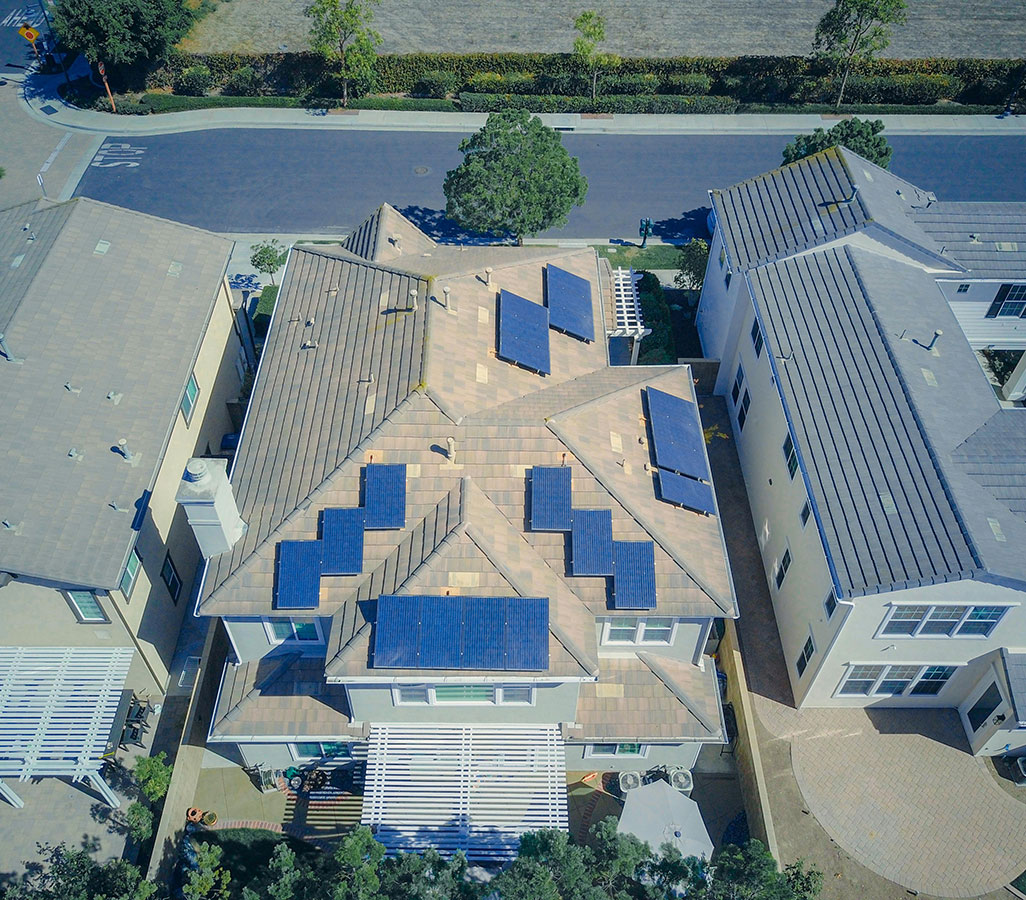
Solar panels are becoming increasingly popular with both homeowners and business owners alike seek more sustainable (and cheaper) alternatives to fossil fuels. However, despite decades of technological advancement, there are still numerous misconceptions around solar panels.
In this article we’ll take a look at the five most common solar panel myths and debunk them.
Myth 1: Solar Panels Don’t Work in Cold or Cloudy Weather
One of the most common misconceptions is that solar panels don’t work at all during winter months or cloudy conditions. This belief stems from the assumption that solar panels require direct, intense sunlight in order to work. In reality, because solar panels are designed to capture a wide range of wavelengths of light, including diffused sunlight that penetrates cloud coveroperate on light, they can generate electricity even on overcast days.
While it’s true that panels produce less electricity on cloudy days compared to sunny ones, they still maintain functionality overall. In fact, solar panels often perform more efficiently in cooler temperatures, as believe it or not, excessive heat can reduce their output.
Myth 2: Solar Panels Don’t Pay for Themselves and Are Too Expensive
The financial argument against solar panels was valid two decades ago, but technological improvements and economies of scale have dramatically reduced costs. According to industry data, solar panel prices have dropped by over 80% since 2010, making them increasingly accessible to the average consumer.
When calculating the actual cost of solar panels, it’s also essential to consider the total cost of ownership rather than just the initial installation expense. For example, most residential solar systems tend to pay for themselves within 6-10 years through reduced electricity bills, after which they continue generating free electricity for decades. Additionally, solar panels can increase property values, providing an immediate return on investment that many homeowners overlook.
Myth 3: Solar Panels Are Unreliable and Require Constant Maintenance
Modern solar panels are remarkably durable and require minimal maintenance. Our high-quality solar panels are built to withstand harsh weather conditions. Because of this, the maintenance requirements are surprisingly simple. Occasional cleaning to remove dust, leaves, or snow is typically sufficient, and in our climate, natural rainfall provides adequate cleaning. Unlike traditional power generation systems with moving parts, solar panels have no mechanical components that wear out or require regular servicing.
Myth 4: Solar Panels Are Bad for the Environment
Some critics argue that solar panel manufacturing creates more environmental harm than the panels offset during their operational lifetime. This myth often focuses on the energy and materials required for production, whilst ignoring the long-term environmental benefits.
Lifecycle analyses demonstrate that solar panels typically offset their manufacturing energy within 1-3 years of operation, and then continue to produce clean electricity for decades.
The environmental impact of manufacturing is minimal if you compare this to the ongoing pollution from fossil fuel extraction, transportation, and combustion.
Modern solar panels are also increasingly recyclable, with programmes developing to recover valuable materials like silicon, silver, and aluminium. When compared to the environmental costs of coal, natural gas, or nuclear power, solar energy presents a significantly cleaner alternative throughout its entire lifecycle.
Myth 5: Solar Panels Will Damage Your Roof
Concerns about roof damage represent another common barrier to solar adoption. When professionally installed, solar panels protect the roof sections they cover from weather damage, UV radiation, and general wear and tear. Proper installation involves securing mounting systems to the roof rafters, not just the surface materials, to ensure structural integrity.
As professional installers, we will conduct thorough roof assessments before installation, identifying any existing issues that should be addressed beforehand.
In many cases, the protective effect of solar panels can actually extend rather than reduce the lifespan of roofs by shielding underlying materials from direct weather exposure.
Conclusion
These persistent myths about solar panels often stem from outdated information or misconceptions that fail to take into account technological advances and industry maturation.
Modern solar technology has already started to address most historical concerns about reliability, cost-effectiveness, and environmental impact and as solar energy continues evolving, it’s crucial to base decisions on current facts rather than outdated assumptions.
For those considering solar installation, consulting with qualified professionals like ourselves and reviewing recent industry data provides the most accurate foundation for making informed energy choices.