
 0191 500 1154


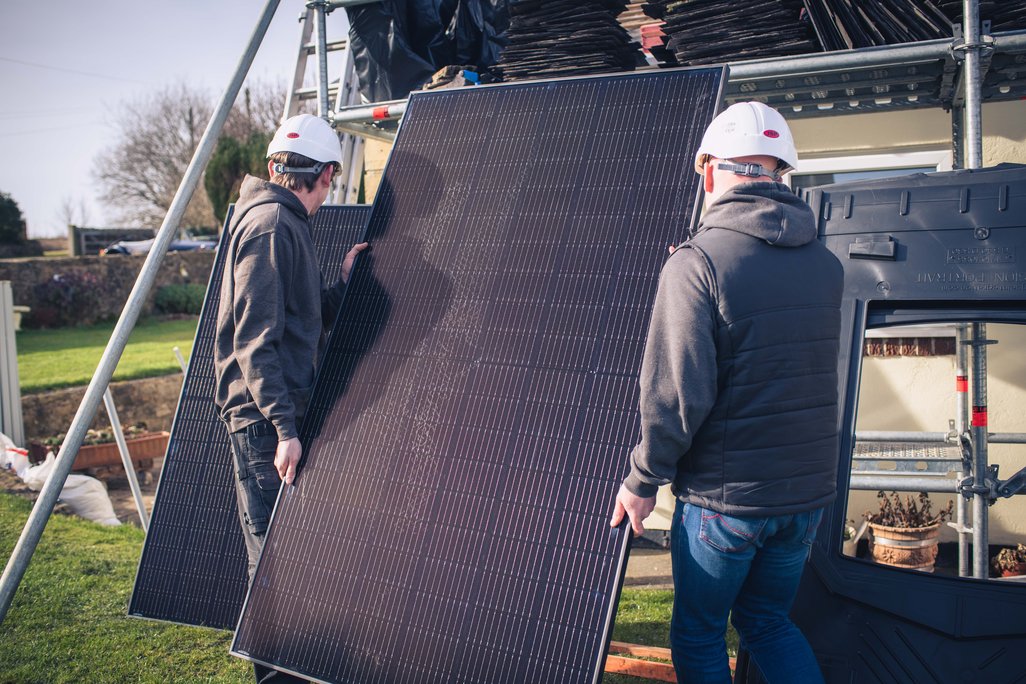
If you’re considering going solar, you may wonder how many solar panels you can install without needing planning permission. Solar panels are an excellent way to harness renewable energy and reduce carbon footprint, but navigating the legal requirements can be overwhelming. In this blog post, we’ll explore the guidelines for solar panels to help you understand how many you can install without planning permission.
**Please note**: Regulations can change over time, so verifying the most up-to-date information is essential before making any solar panel installation plans.
Permitted Development Rights
In the UK, many solar panel installations fall under the “permitted development” category, meaning you can install them without planning permission if you meet specific criteria. These criteria are set by the UK government and local authorities, and they may vary from one location to another.
1. Location
The first important factor to consider is the location of your property. For instance, in England, if your property is not situated in a conservation area, an Area of Outstanding Natural Beauty (AONB), or a World Heritage Site, you typically have more freedom regarding solar panel installations. However, in these restricted areas, there are stricter rules to ensure the preservation of the environment and the area’s aesthetics.
2. Size and Position
The size and positioning of the solar panels on your property are also key factors. Generally, solar panels should not project more than 200mm (20cm) beyond the wall or roof surface plane. They should also be installed parallel to the existing roof slope and not higher than the highest part of the roof. These regulations aim to maintain the visual harmony of the property and its surroundings.
The UK Government’s official website is a reliable source for up-to-date information on planning permissions. According to the Planning Portal, “Most domestic solar panel installations do not require planning permission, but there are important conditions to keep in mind.”
Local Variations and Guidelines
In addition to national regulations, local authorities may have specific guidelines that you need to follow. It’s essential to consult your local council’s planning department to ensure that you comply with any regional or district-specific rules.
Solar Panel Certification
When choosing solar panels for your installation, opting for certified and quality products is essential. The Microgeneration Certification Scheme (MCS) provides certification for solar panels and other renewable energy technologies. Using certified panels ensures that your installation is compliant with UK standards and regulations.
Conclusion
Solar energy is a sustainable and environmentally friendly way to power your home in the UK. In many cases, you can install solar panels without planning permission, thanks to permitted development rights. However, it’s crucial to consider the specific regulations in your area and the size and positioning of your solar panels.
Always consult local authorities and check for the latest information on the UK Government’s official website. By adhering to the guidelines and using certified solar panels, you can harness the sun’s power to reduce your energy bills and contribute to a greener future while remaining within the bounds of the law. Solar power is not only a smart choice for your home but also for the planet.
MCS Certified Solar Panels
Our solar panels are MCS-certified, meaning that your installation is designed, installed and commissioned to the highest standard. Contact us today at 0191 500 1154 for a FREE personalised quote.