
 0191 500 1154


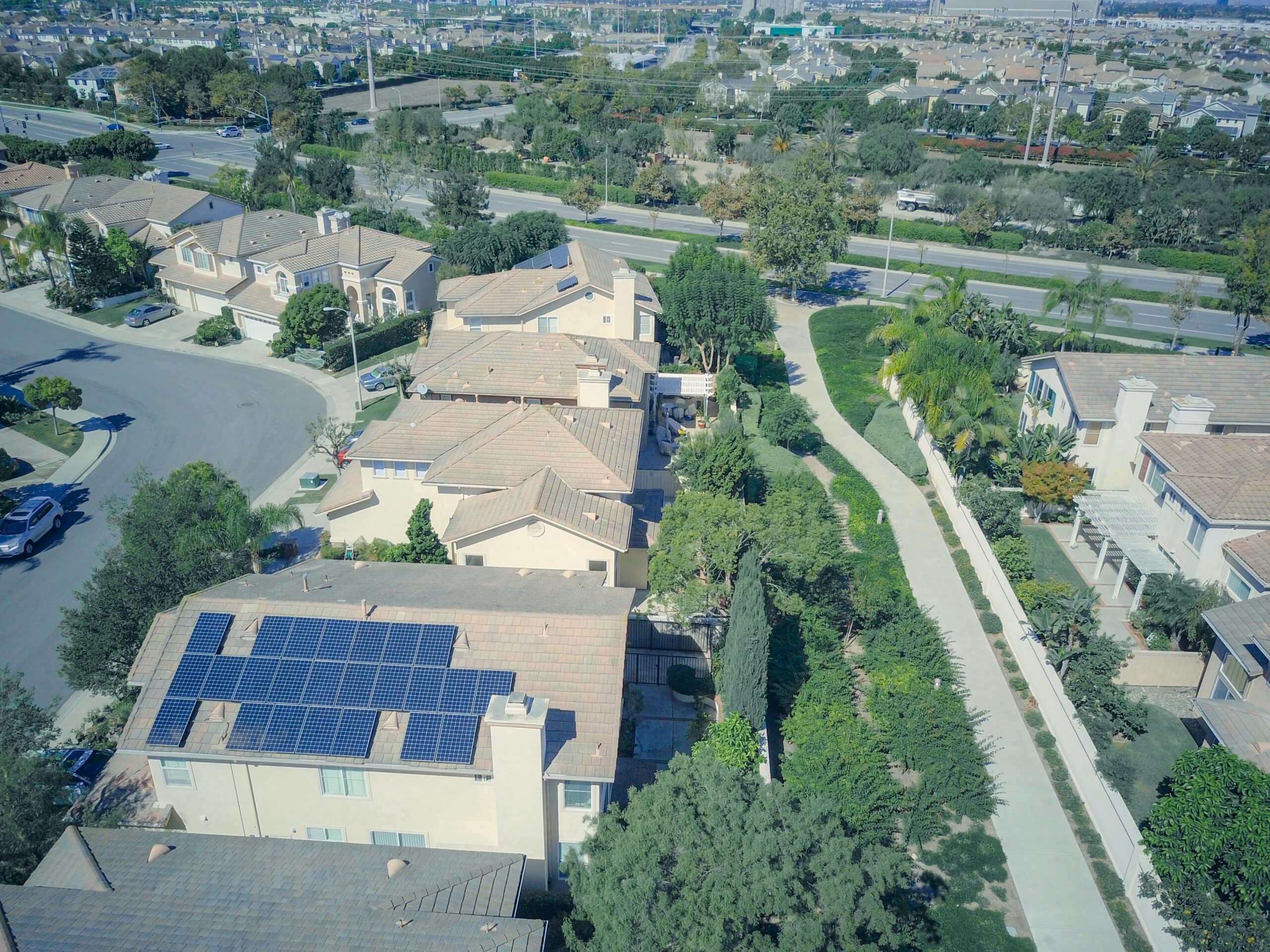
One of the first questions homeowners ask when considering solar is simple but misleading: “How many panels do I need?” The reality is that there’s no universal answer. The right system size depends on how much electricity you use, your roof space, your budget, and how you expect your energy needs to change.
Get the sizing wrong, and you either waste money on unused capacity or miss out on savings. Here’s how to size a solar system correctly for a typical North East home.
Start With Your Energy Use
System sizing always begins with understanding how much electricity you consume. Annual usage is measured in kilowatt-hours (kWh) and can be found on your electricity bills or through your supplier.
Most households in the North East use between 2,700 and 4,100 kWh per year, though this varies widely. A couple in a small home may use closer to 2,500 kWh, while a larger family or a home with electric heating can exceed 6,000 kWh annually.
If you have a smart meter, your supplier’s app can also show when you use electricity, which is just as important as how much you use.
The Basic Sizing Calculation
Modern residential solar panels typically produce 350–400 watts (W) each. In the North East, every 1 kW of installed solar capacity generates roughly 850–950 kWh per year, accounting for local weather and daylight hours.
For example:
- Annual electricity use: 3,500 kWh
- Estimated generation per kW: 900 kWh
- Required system size: 3.9 kW
Using 400 W panels, that works out to around 10 panels for a 4 kW system. These panels need roughly 19 square metres of suitable roof space.
Why Annual Usage Isn’t the Whole Story
Solar panels generate electricity during daylight hours, but most homes use more power in the evenings. Without a battery, this timing mismatch limits how much of your solar power you can actually use.
Most households without batteries self-consume only 30–50% of the electricity generated by their panels. The rest is exported to the grid, while evening and night-time power still comes from your supplier.
Because exported electricity earns far less than electricity you avoid buying, installers often size systems based on daytime usage rather than total annual consumption.
Homes with people working from home, daytime appliance use, or electric heating during the day typically benefit from slightly larger systems.
How Batteries Change the Equation
Battery storage dramatically improves solar economics. By storing excess daytime generation for evening use, batteries can raise self-consumption to 70–80% or more.
With a battery, installing a larger array often makes sense. A household that only self-consumes 40% of a 5 kW system without a battery might use 75% with one, making the additional panels worthwhile.
As a rough guide, battery capacity should match your evening and overnight usage. If you typically use 8–10 kWh after sunset, a 10 kWh battery paired with sufficient solar capacity can allow you to run largely on stored solar power.
Roof Space and Orientation
Even if calculations suggest a certain system size, roof constraints may limit what’s possible.
Each 400 W panel requires about 1.9 m² when allowing for spacing and access. Obstructions such as chimneys, skylights, vents, and shading from nearby buildings or trees reduce usable space.
- South-facing roofs are ideal.
- East- and west-facing roofs typically produce about 80–85% of the output of south-facing roofs.
- North-facing roofs are usually unsuitable in the UK.
Professional installers assess roof orientation, pitch, shading, and structure to design the most productive layout possible.
Budget and Value for Money
Solar installations typically cost £1,000–£1,400 per kW installed. That means:
- 4 kW system: £4,000–£5,600
- 6 kW system: £6,000–£8,400
Larger systems often provide better value per watt because many costs—scaffolding, electrical work, administration—are fixed regardless of size. However, oversizing still leads to diminishing returns.
Electricity you self-consume saves 24–30p per kWh, while electricity you export earns only 4–15p per kWh under SEG tariffs. Maximising self-consumption matters more than maximising total generation.
Thinking Ahead
When sizing your system, consider how your energy needs may change over the next 5–10 years.
- Electric vehicles can add 2,000–3,000 kWh annually.
- Heat pumps may add 3,000–5,000 kWh, depending on the home.
- Changes in working patterns, retirement, or home extensions also affect usage.
Many homeowners choose to oversize slightly, anticipating rising electricity prices and future electrification. Adding an extra 1–2 kW of capacity is relatively inexpensive and can provide valuable flexibility.
Typical System Sizes That Work Well
For most North East homes, these ranges offer a good balance:
- 3–4 kW (8–10 panels):
Best for smaller homes or households with lower usage. Generates roughly 2,700–3,800 kWh annually. - 4–6 kW (10–15 panels):
The most popular choice for average family homes. Generates 3,800–5,700 kWh per year and delivers strong savings. - 6–8 kW (15–20 panels):
Suitable for larger homes or high consumption, especially with battery storage. Requires substantial roof space.
The Value of Professional Advice
While these guidelines are useful, a professional assessment remains essential. Good installers analyse your roof, shading, usage patterns, and future plans to recommend the right system size.
A quality proposal should clearly show expected generation, self-consumption, savings, and payback. Don’t be afraid to ask why a particular size is recommended or to compare smaller and larger options.
The Bottom Line
There’s no single “right” number of solar panels. The best system balances your electricity use, roof space, budget, and future needs.
For most North East households, 4–6 kW systems hit the sweet spot—large enough to make a real dent in bills without unnecessary expense. With a clear understanding of your energy use and advice from a reputable installer, you can size your solar system confidently and get the best long-term return on your investment.