
 0191 500 1154


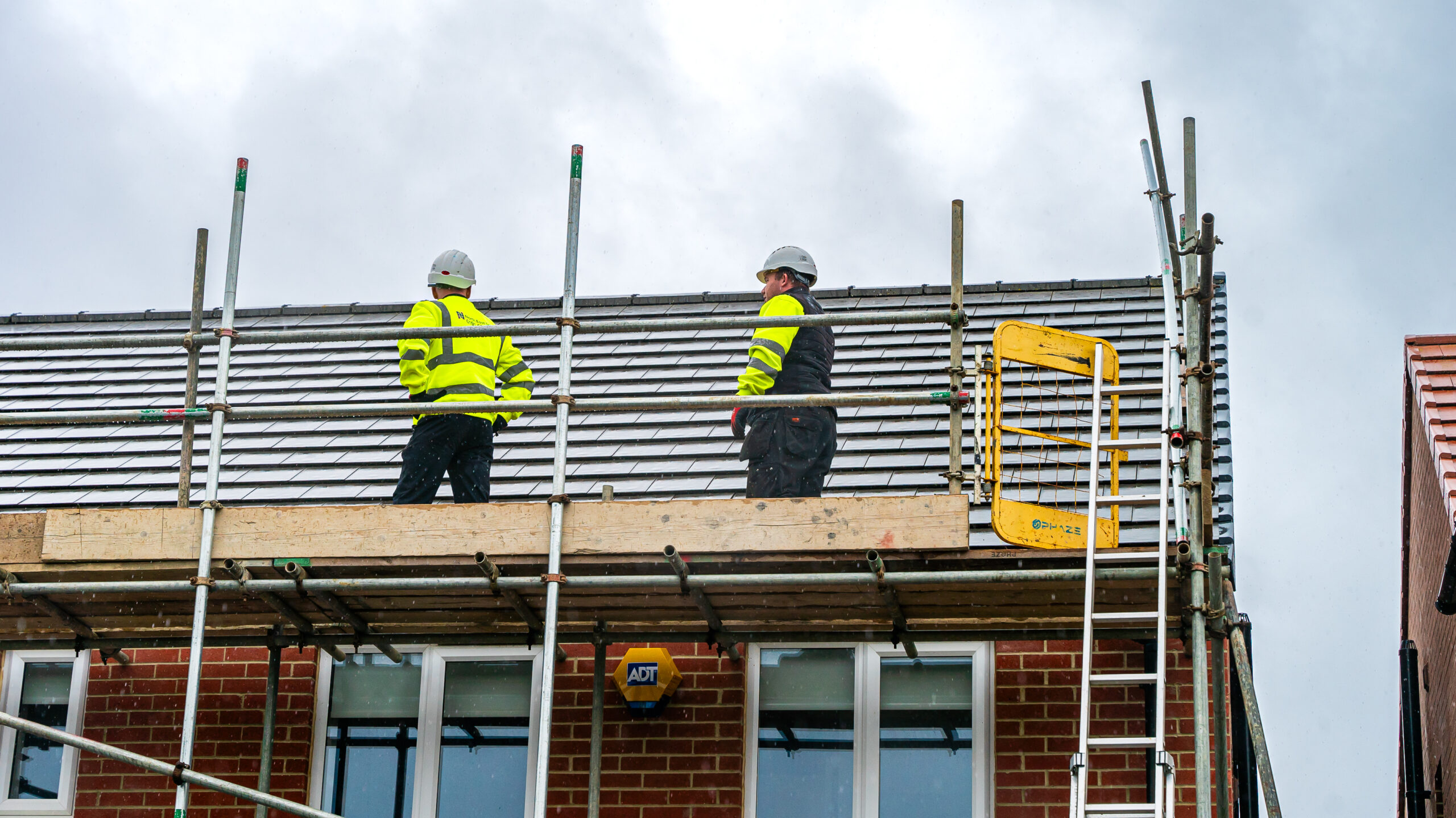
When considering solar panels for your home, the immediate benefits are clear: lower energy bills, reduced carbon footprint, and greater energy independence. But there’s another significant advantage that many homeowners in the North East overlook—the impact on property value. As the UK moves toward its net-zero targets and energy costs remain a concern for buyers, solar installations are increasingly seen as valuable assets rather than optional extras.
The Growing Appeal of Energy-Efficient Homes
The property market has shifted dramatically in recent years. Rising energy costs and increased environmental awareness have made energy efficiency a top priority for homebuyers. According to recent property surveys, homes with high Energy Performance Certificate (EPC) ratings consistently sell faster and command higher prices than comparable properties with lower ratings.
Solar panels can significantly boost your EPC rating, moving a property from a C or D rating up to an A or B. This isn’t just about bragging rights—in many cases, it’s the difference between a property that languishes on the market and one that attracts multiple offers within days of listing.
For North East homeowners specifically, where weather patterns and lower solar irradiance compared to southern England might make some question the value of solar, the property value argument becomes even more compelling. Buyers recognise that even in our climate, solar panels deliver substantial savings and environmental benefits.
The Financial Premium: What the Data Shows
Multiple studies have examined the relationship between solar installations and property values, and the results are encouraging. Research from various property valuation experts suggests that homes with solar panels sell for approximately 2-4% more than equivalent properties without them.
For a typical North East home valued at £200,000, this translates into an additional £4,000- £8,000 in sale price—often more than enough to recoup the initial investment in the solar system. For larger properties or those with comprehensive solar and battery storage systems, the premium can be even higher.
The premium isn’t just theoretical. Estate agents increasingly report that solar panels feature prominently in property descriptions and viewing discussions. Buyers ask about system specifications, warranty terms, and historical energy savings. The panels have moved from being a curiosity to being a genuine selling point.
Why Buyers Value Solar Installations
Understanding why buyers are willing to pay more for solar-equipped homes helps homeowners appreciate the full value of their investment:
Immediate Cost Savings: Buyers recognise that solar panels mean lower energy bills from day one. With electricity prices remaining high despite recent decreases, the prospect of generating free electricity is desirable. For families moving into larger homes or those with young children, the ability to offset rising energy consumption is particularly appealing.
Protection Against Energy Price Volatility: The past few years have demonstrated just how unpredictable energy costs can be. Solar panels provide a hedge against future price increases, offering buyers peace of mind and budget stability. This protection becomes more valuable as memories of the energy crisis remain fresh.
Environmental Credentials: Today’s buyers, particularly younger purchasers and families, place significant value on sustainability. Solar panels represent a visible, tangible commitment to reducing carbon emissions. For many buyers, this aligns with their values and long-term goals for reducing their environmental impact.
Future-Proofing: As the UK moves toward stricter energy efficiency requirements for properties, homes with existing solar installations are ahead of the curve. Buyers recognise they’re purchasing a property that meets tomorrow’s standards today, potentially avoiding costly retrofits down the line.
Low Maintenance Asset: Modern solar panels require minimal maintenance and come with lengthy warranties—typically 25 years for panel performance. Buyers appreciate acquiring a system that’s essentially maintenance-free yet continues delivering value for decades.
The Quality Factor: Not All Solar Installations Are Equal
It’s important to note that not all solar installations add equal value. The quality of the installation, the equipment used, and the professionalism of the installer all matter significantly to property value.
Professionally installed systems from reputable companies with proper certifications and insurance add more value than DIY installations or those completed by uncertified installers. Buyers and their mortgage lenders want assurance that the system is safe, properly integrated with the property’s electrical system, and compliant with building regulations.
This is where choosing an MCS-certified installer becomes crucial. The Microgeneration Certification Scheme ensures installations meet high technical standards and provides buyers with confidence in the system’s quality. Properties with MCS-certified installations typically command higher premiums because they eliminate concerns about safety, performance, and compliance.
Battery storage systems are increasingly seen as value-adds as well. While standalone solar panels are now standard, systems that include battery storage offer even greater energy independence and cost savings, making properties with comprehensive energy solutions beautiful to discerning buyers.
Marketing Your Solar-Equipped Home
When it comes time to sell, how you present your solar installation matters, estate agents report that sellers who provide comprehensive information about their systems—including specifications, historical performance data, warranty details, and documentation—find buyers more confident in the value proposition.
Providing potential buyers with actual savings data from your own usage helps them envision their future savings. Screenshots from monitoring apps showing daily generation, annual production figures, and calculated cost savings make the benefits concrete rather than theoretical.
Including information about your export tariff and how much you’ve earned from selling excess electricity back to the grid can be particularly persuasive. These earnings demonstrate that the system doesn’t just reduce costs—it can generate income.
The Regional Advantage in the North East
While some homeowners in the North East worry that lower solar irradiance compared to southern England might diminish the value proposition, the reality is more nuanced. Yes, North East properties generate slightly less solar energy than those in sunnier regions, but this is already factored into system design and buyer expectations.
What matters more is that energy costs are uniform across the UK, while property prices in the North East remain more affordable than in many other regions. This means the relative value of solar savings—and by extension, the property value premium—can actually be more significant here.
Additionally, the North East property market is seeing growing demand for sustainable homes as environmental awareness increases across all demographics. The region’s strong community values and forward-thinking approach to renewable energy mean solar installations resonate well with local buyers.
Timing Considerations: When to Install for Maximum Value
Suppose you’re considering solar primarily for its impact on property value; timing matters. Installing solar panels shortly before listing your home may not give you enough time to demonstrate savings or to recoup the initial investment through use before selling.
The sweet spot for maximising both personal benefit and property value premium is installing solar panels at least 2-3 years before you plan to sell. This allows you to enjoy significant savings on your energy bills, accumulate performance data that demonstrates the system’s value to buyers, and ensure any minor teething issues are resolved.
However, even relatively new installations add value. The key is positioning the installation as a valuable feature that buyers are acquiring along with the property, backed by warranties and performance guarantees that transfer to the new owner.
The Bottom Line for North East Homeowners
Solar panels represent a rare opportunity to make a home improvement that pays for itself through energy savings while simultaneously increasing property value. For North East homeowners, this dual benefit makes solar installations one of the most financially sound improvements available.
As energy efficiency continues growing in importance and the UK marches toward net-zero targets, the property value premium for solar-equipped homes is likely to increase rather than diminish. Early adopters not only benefit from years of reduced energy costs but also position their properties as premium offerings in an increasingly energy-conscious market.
Whether you’re planning to stay in your home for decades or considering a move in the next few years, solar panels offer tangible financial benefits that extend well beyond monthly electricity savings. In the North East property market, where value and practicality are highly prized, solar installations tick all the right boxes for homeowners looking to invest in their property’s future.