
 0191 500 1154


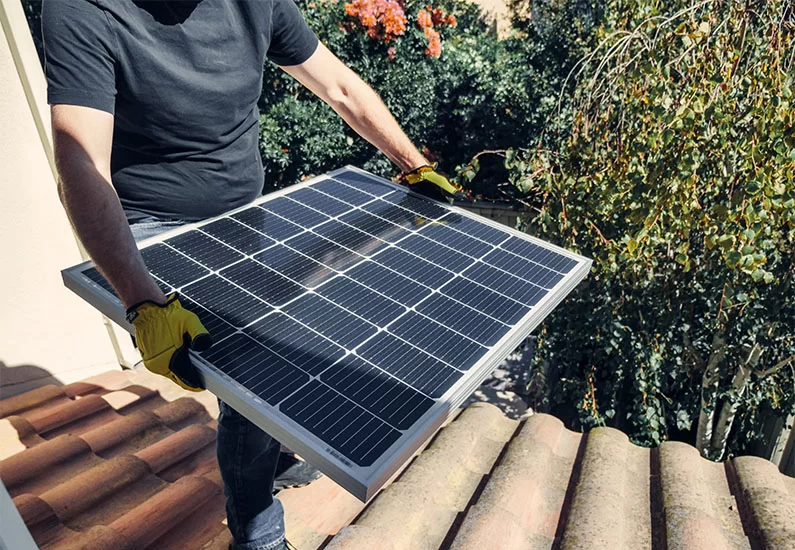
Solar power is a type of energy that comes from the sun. It’s generated by using special
panels that capture the sun’s energy and turn it into electricity. One of the best things
about solar power is that it’s a renewable energy source, which means we can keep using
it forever without running out.
Solar power is also very clean because it doesn’t produce any harmful pollution like other
types of energy sources.
While solar power used to be expensive and difficult to use, new technology has made it
much more affordable and efficient. And, while it can be expensive to set up solar panels
at first, it can save money in the long run because it reduces the amount of money you
spend on electricity.
Another benefit of solar power is that it can be used almost anywhere. As long as there is
sunlight, solar panels can be installed and used to generate electricity.
Solar power can also be used in a variety of different applications, from powering homes
and businesses to providing electricity for outdoor lighting, water pumps, and more. In
fact, some cities are even starting to install solar panels on their streets and highways to
power streetlights and traffic signals.
In addition to its practical applications, solar power is also becoming increasingly popular
as a form of renewable energy in the fight against climate change.
By reducing our reliance on fossil fuels and other non-renewable energy sources, we can
significantly reduce our carbon footprint and help to preserve the environment for future
generations.
Despite all of the benefits of solar power, there are still some challenges that need to be
overcome. One of the biggest challenges is the upfront cost of installing solar panels,
which can be quite expensive.
However, many governments and organisations offer incentives and tax breaks for those
who install solar panels, which can help to offset the cost.
Another challenge is that solar power is not always available when we need it. For
example, solar panels cannot generate electricity at night or on cloudy days, which
means that we need to have backup sources of energy to ensure that we always have
access to electricity.
Despite these challenges, solar power is a promising and increasingly popular form of
renewable energy that has the potential to change the way we think about energy
generation and consumption.
With ongoing advances in technology and continued efforts to make solar power more
affordable and accessible, it’s likely that we’ll see even more widespread adoption of this
clean, renewable energy source in the years to come.