
 0191 500 1154


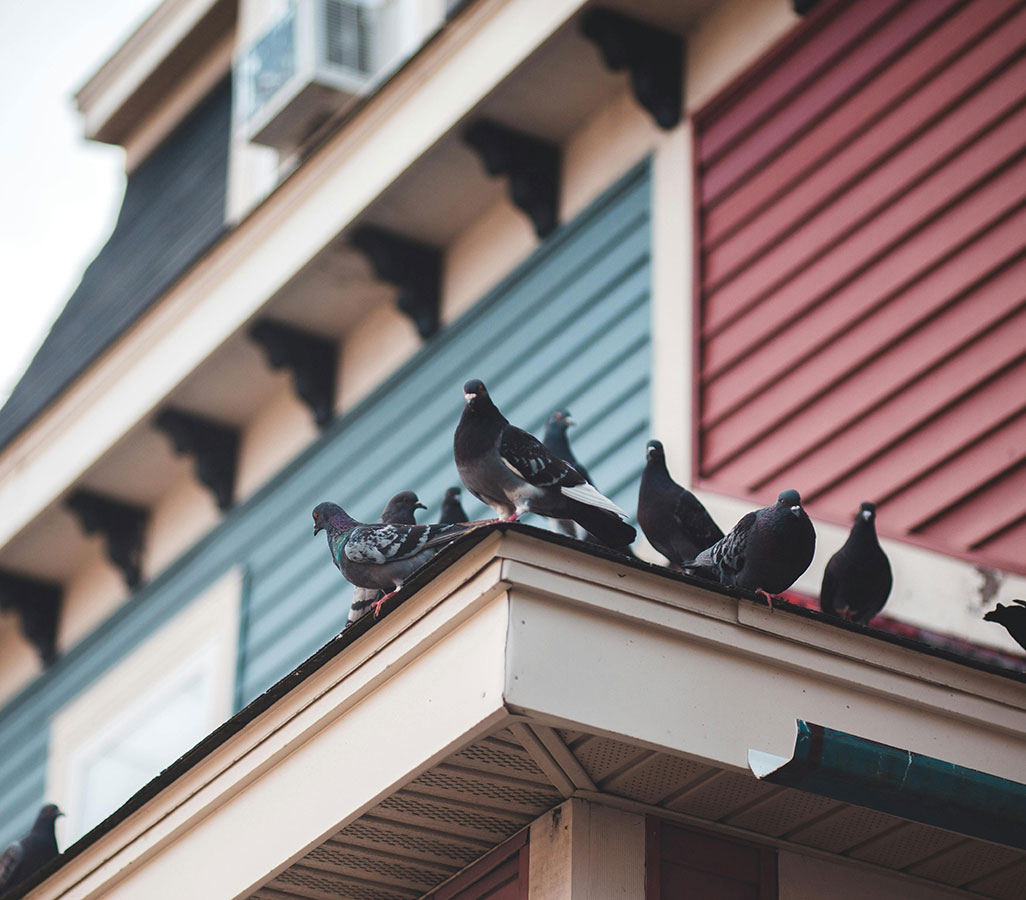
Solar panels represent a significant investment in sustainable energy and long-term cost savings; however, many homeowners often overlook a crucial aspect of maintaining their solar panels, which is protecting their investment from pests such as pigeons and other birds.
These otherwise harmless creatures can actually cause substantial damage to your solar installation, making pigeon proofing an essential consideration for any solar panel owner.
Understanding the Pigeon Problem
It may seem like a strange thing for pigeons to be drawn to, but pigeons are naturally drawn to solar panels for several reasons. Firstly, the space beneath the panels provides an ideal nesting location that not only offers shelter from any predators but also from any harsh weather conditions. Secondly, the warmth generated by the panels creates a comfortable environment for them, and thirdly, the elevated position gives pigeons a strategic vantage point. Unfortunately, this means that what serves as prime real estate for pigeons can easily spell disaster for your solar investment.
When pigeons establish nests under solar panels, they bring with them a whole host of problems. As you can imagine, their droppings accumulate rapidly, creating acidic deposits that can corrode panel surfaces and mounting equipment. As well as the issue of their droppings, their nests themselves can create a problem. Nesting materials such as twigs, leaves, and debris can block precious ventilation spaces for your panels, causing them to overheat and therefore operate less efficiently. Additionally, pesky pigeons could peck at wiring, potentially causing electrical faults or even complete system failures.
Protection of Your Investment
The primary benefit of pigeon proofing is safeguarding your solar panels, and therefore your financial investment. Solar panels may not be cheap, but they’re also made to last around 25-30 years if maintained correctly. Unfortunately, pigeon damage can significantly reduce the lifespan and efficiency of your solar panel system.
Cleaning and repairing damage caused by birds can be expensive, and some of the issues (for example, damage caused by pigeon droppings) are particularly problematic as they cannot be reversed, so it would mean replacing the affected panels rather than a simple fix.
Maintaining Optimal Performance
In general, solar panels operate most efficiently when their surfaces are clean and unobstructed. This means that even pigeon droppings and nesting debris can significantly reduce energy output by blocking sunlight from reaching photovoltaic cells. Even small amounts of shading can disproportionately impact panel performance due to the way solar cells are wired together.
Studies have even shown that dirty solar panels can lose around 15-25% of their efficiency, resulting in reduced electricity generation, which means a lower return on your investment. Regular cleaning is essential, but pigeon proofing your panels eliminates the primary source of contamination, ensuring your panels maintain peak performance with minimal maintenance.
Long-term Cost Savings
Whilst pigeon proofing requires an upfront investment, it delivers substantial long-term savings. The cost of professional installation typically ranges from £500 to £1,500, depending on the size of your solar array and the complexity of the installation. This one-time expense, however, pales in comparison to the ongoing costs of cleaning, repairs, and even potential panel replacement.
Consider that professional solar panel cleaning can cost £100-£300 per visit, and heavily contaminated panels may require cleaning several times per year. Over the 25-year lifespan of your solar installation, these costs can easily exceed the initial investment in pigeon proofing by several thousand pounds.
Choosing the Right Solution
Several pigeon-proofing methods are available, each with distinct advantages. Mesh barriers are the most popular option, creating a physical barrier that prevents birds from accessing the space beneath panels whilst allowing air circulation. Spikes are also an option that can deter birds from landing on panel edges; however, they are less effective for those more persistent pigeons.
Whichever method you choose, professional installation is recommended to ensure proper fitting and to avoid warranty issues. It may cost more, but quality pigeon-proofing systems are designed to withstand harsh weather conditions and should last the entire lifespan of your solar installation, so there’s no need to worry about pests.
Conclusion
Pigeon proofing your solar panels is a wise investment that protects your property, maintains your solar panel system performance, and ensures your long-term savings are protected. The relatively modest upfront cost is quickly offset by reduced maintenance expenses, improved energy generation, and protection against costly damage. For solar panel owners, pigeon proofing should be considered an essential component of responsible system ownership rather than an optional extra.
Get in touch with us today to learn about how we can help you get your system pigeon-proofed!