
 0191 500 1154


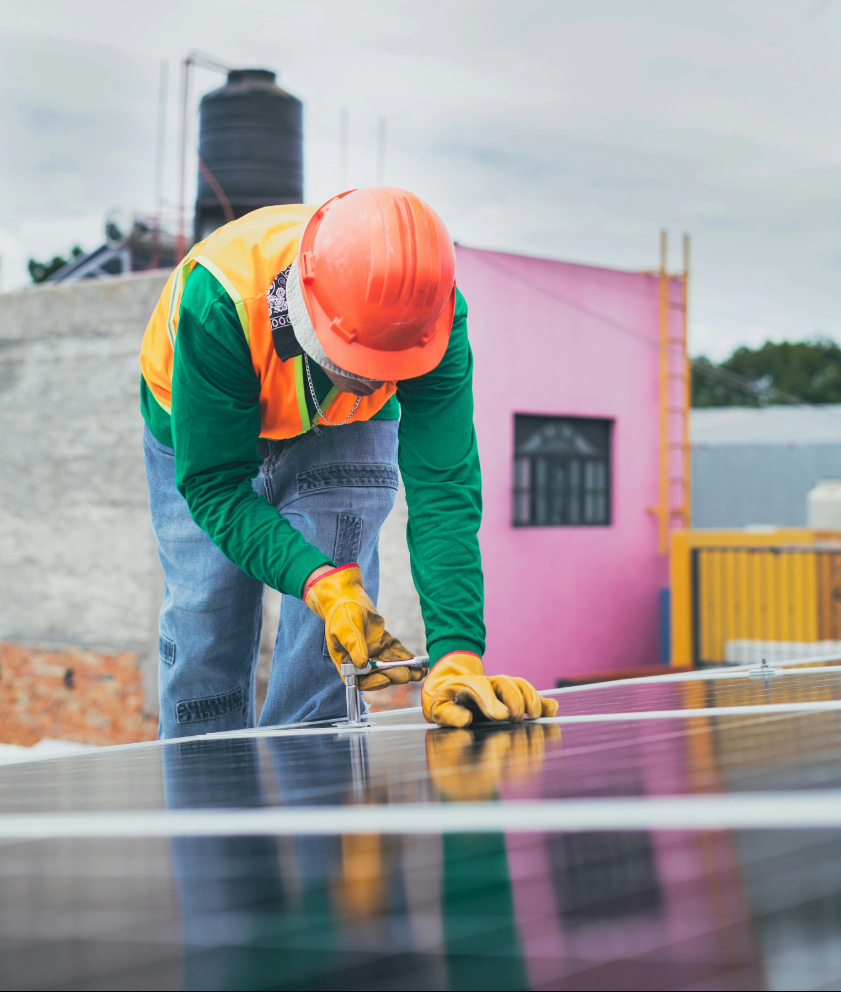
Timing matters when installing solar panels—but not quite in the way many homeowners expect. Some assume summer is best for maximising generation straight away, while others wait for winter, hoping prices will drop. In reality, weather, installer availability, grid approvals, and your personal circumstances all play a role.
Here’s what North East homeowners should know about choosing the right time to go solar.
Spring: The Installation Sweet Spot
For most homes in the North East, spring (March to May) offers the best overall balance.
Weather conditions are improving, making installations safer and more efficient. Days are getting longer, giving installers more working daylight, while rainfall is generally less disruptive than in winter. Moderate temperatures also make working conditions better for installation teams, reducing delays.
The biggest advantage is timing your system to be operational before the strongest generation months. An April installation gives you spring, summer, and early autumn production—allowing you to capture most of the year’s solar potential in your very first year.
Spring is also slightly quieter than peak summer. Installers often have better availability, meaning shorter waits between survey and installation and more flexibility if adjustments are needed.
Summer: Peak Demand, Peak Output
Summer is the busiest time of year for solar installations across the North East. Long days, stable weather, and the appeal of immediate high generation make it a popular choice.
The benefits are clear: minimal weather disruption, smooth installation conditions, and near-maximum output from day one. Watching your system perform at peak capacity straight away can be reassuring and motivating.
However, high demand comes with trade-offs. Survey appointments can take weeks, and installation slots may be booked 4–8 weeks ahead. Popular installers often fill their diaries quickly between June and August.
If you’re aiming for summer installation, planning ahead is essential. Contact installers in early spring to secure a slot—waiting until June often pushes installations into autumn anyway.
Autumn: The Overlooked Opportunity
Autumn, particularly September and October, is an underrated but excellent time to install solar.
Demand drops as households shift focus to other priorities, but weather conditions remain mostly favourable. Clear autumn days can still deliver strong solar output, and cooler temperatures slightly improve panel efficiency compared to summer heat.
Installers typically have better availability and more flexible scheduling. Some may offer incentives to maintain workflow as peak season ends, although pricing differences are usually modest.
The main consideration is that winter is approaching. A system installed in October will only enjoy a couple of months before generation dips. Some homeowners prefer to wait until spring at this point, but others value getting the system installed and ready before the next peak season.
Winter: Quiet but Perfectly Viable
Despite common assumptions, winter installation is entirely possible in the North East. Professional installers work year-round and are equipped to handle typical cold-weather conditions safely.
Cold temperatures themselves don’t affect installation quality. The main limitations are shorter daylight hours, occasional snow or ice on roofs, and periods of severe weather that can temporarily delay work.
The biggest advantage of winter installation is the availability of materials. December through February is typically the quietest period for solar companies. This often means faster turnaround from enquiry to installation and more attention given to individual projects.
The downside is delayed gratification. A system installed in January won’t generate much electricity until daylight increases in spring. Financially, this makes little difference over a 25+ year system lifespan, but some homeowners prefer immediate visible returns.
For those focused on long-term planning rather than short-term output, winter installation works perfectly well.
North East Weather Considerations
The North East’s maritime climate brings variability throughout the year, but certain patterns affect installation timing.
- Rain is most common from October to January. While light rain doesn’t stop work, prolonged wet spells can cause delays.
- Snow is relatively rare, but it halts work entirely when it occurs.
- Wind, particularly in autumn and winter, can delay installations due to concerns about scaffold safety.
- Frost may delay early starts, but rarely stops work for entire days.
Installers monitor forecasts closely and reschedule when safety is at risk.
Grid Connection and DNO Approval
A frequently overlooked timing factor is grid approval. Your installer must notify the local Distribution Network Operator (DNO) before your system can export electricity and receive SEG payments.
Approval typically takes 2–4 weeks. During this time, your system can still generate electricity for self-consumption—it just can’t export surplus energy yet.
Some installers submit DNO paperwork before installation to minimise delays. Discussing this early helps set realistic expectations for when your system will be fully operational.
Personal Circumstances Matter More Than Seasons
While seasonal factors are useful guidelines, your personal situation should drive the final decision.
If your roof needs repairs, complete them before installing solar—regardless of season. If you’re planning to move within a year, installing sooner lets you benefit now and potentially increase property value.
Financial timing can also matter. Rising electricity prices make earlier installation more attractive. Bonuses, savings milestones, or business accounting cycles may create windows where investing makes sense immediately.
These factors often outweigh any seasonal advantage.
The Myth of Seasonal Discounts
Some homeowners delay installation, hoping for winter price drops, but genuine seasonal pricing differences are rare. Panel and inverter costs don’t fluctuate meaningfully with the calendar.
While installers may run promotions during quieter periods, similar offers appear throughout the year. Waiting months for a discount often costs more in missed electricity savings than it saves on installation.
So, When Is the Best Time?
For most North East homes, spring offers the best overall balance—good weather, reasonable installer availability, and maximum first-year generation.
That said, a system installed in July or December will generate the same electricity over its lifetime as one installed in April. The difference is only in which months see higher output at the start.
The best time to install solar is when you’re ready—financially, logistically, and mentally. Seasonal considerations should inform your decision, not delay it indefinitely.
The biggest mistake isn’t choosing the “wrong” season. It’s waiting year after year while electricity prices rise and potential savings quietly slip away.