
 0191 500 1154


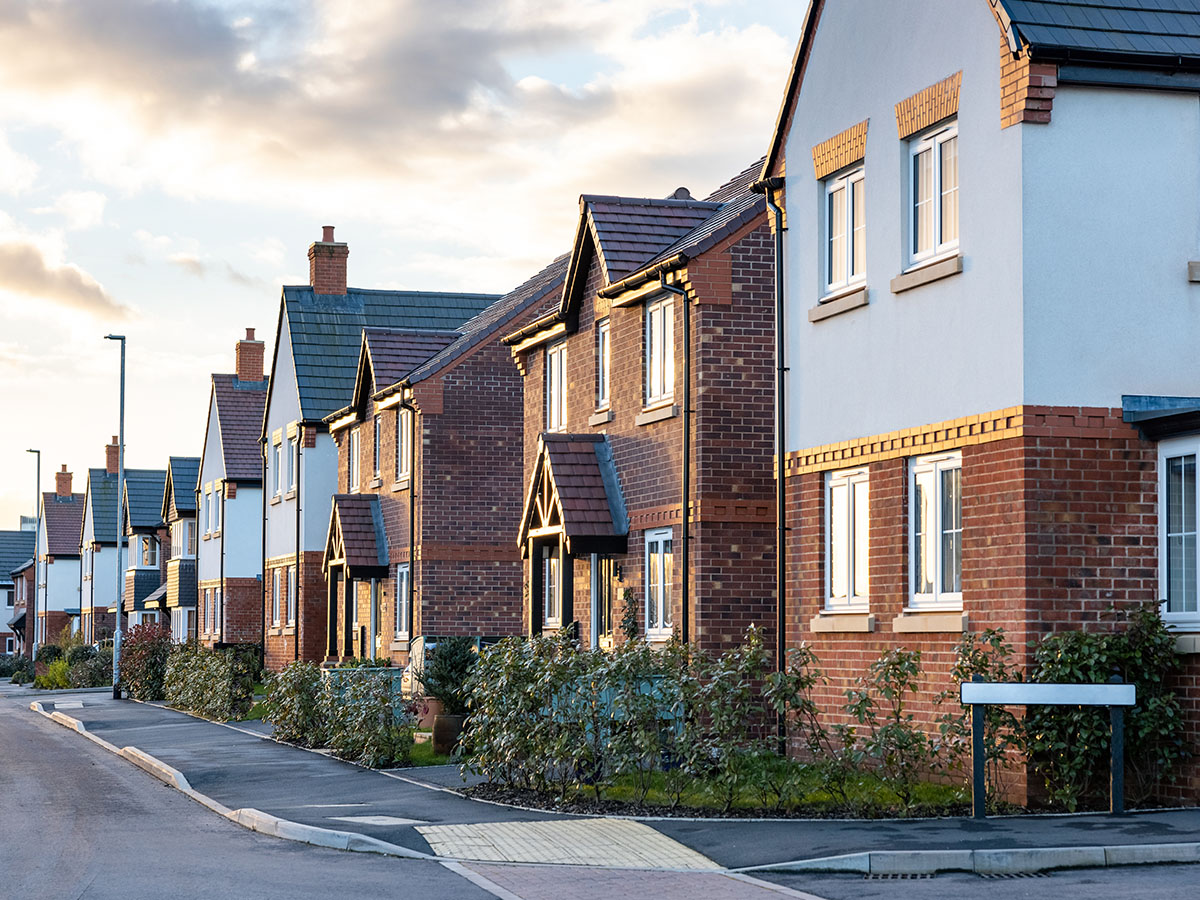
By now, you may have researched what solar panels are and their many benefits and realised that solar panels are indeed a great investment. Now you must be wondering if your house is suitable for installing solar panels. The potential of solar energy to reduce electricity bills and carbon footprints has attracted many individuals to explore the idea of installing solar panels on their rooftops. However, before embarking on this journey, it’s essential to determine whether your house is suitable for solar panels. In this blog post, we will discuss the key factors to consider and guide you through the process.
Assessing Solar Suitability:
1. Sunlight Availability:
The amount of sunlight your house receives is crucial in determining its suitability for solar panels. A south-facing roof with minimal shading is ideal, as it maximises exposure to sunlight throughout the day. However, east and west-facing roofs can also be considered, as they may still receive a significant amount of sunlight. If your house is surrounded by tall buildings or large trees that cast shadows, it may hinder solar panel efficiency.
2. Roof Orientation and Tilt:
The orientation and tilt of your roof play a vital role in maximising solar energy generation. In the northern hemisphere, south-facing roofs capture the most sunlight. Ideally, the angle of the roof should match the latitude of your location. However, modern solar panels are designed to be adaptable and can work efficiently within a range of tilt angles.
3. Roof Condition and Strength:
Before installing solar panels, it’s crucial to assess the condition and strength of your roof. Solar panels have a lifespan of 25 to 30 years, and you wouldn’t want to replace your roof within that timeframe. If your roof requires repairs or replacement soon, it’s advisable to address those issues before proceeding with solar installation. Consulting a professional roofer to ensure your roof can bear the additional weight of solar panels is essential.
4. Energy Consumption:
Analysing your energy consumption is an important step in determining if solar panels are suitable for your house. Review your utility bills to understand your average monthly electricity usage. Solar panels are most beneficial for households with high electricity consumption as they can offset a significant portion of the energy costs. Additionally, consider your long-term plans and potential changes in energy consumption. If you anticipate an increase in electricity usage, solar panels can offer a sustainable solution to accommodate your needs.
5. Financial Considerations:
Understanding the financial aspects of solar panel installation is crucial. Evaluate the available incentives, tax credits, and financing options in your region. The UK government offers a few grants, such as the Energy Company Obligation (ECO) and more (subject to eligibility) Additionally, consider the return on investment (ROI) for solar panels by calculating the payback period—the time it takes for the savings on your electricity bill to offset the cost of installation.
Conclusion
Determining the suitability of your house for solar panels involves assessing several key factors such as sunlight availability, roof orientation, condition and strength, energy consumption, and financial considerations. While a south-facing roof with minimal shading is ideal, alternative orientations and adaptations can still yield efficient solar energy generation. By considering these factors, you can unlock the potential of solar energy and make an informed decision about installing solar panels on your house.